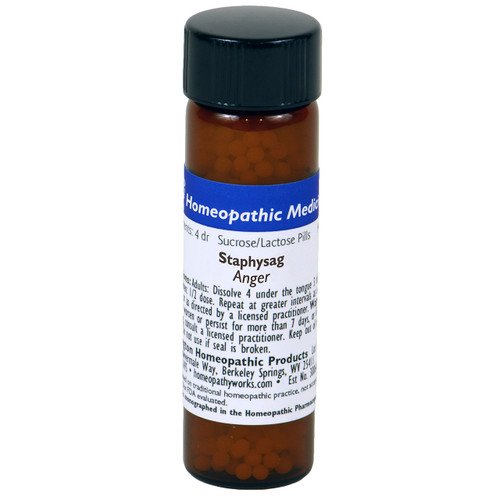


Description
Ledum Palustre Homeopathic Pellets
Traditionally Used for Bruising, Black Eyes, and Discomfort Following Puncture Wounds
Ledum palustre, commonly known as Marsh Tea or Wild Rosemary, is traditionally selected in homeopathy for bruising, black eyes, and discomfort following puncture wounds or insect bites. It is particularly associated with localized swelling, sensitivity, and discomfort that improves with cold applications rather than warmth.
Washington Homeopathic Products offers approximately 900 pellets per glass vial, providing a generous supply at an exceptional value.
Save up to 80% per dose without compromising quality. WHP single remedies cost up to 80% less per dose than comparable products from all other leading homeopathic brands.
Available in 30C and 200C potencies.
Save Up to 80% Per Dose | Prepared & Packaged in Glass, Not Plastic | Trusted Since 1873
Why Choose WHP Ledum Palustre?
Exceptional Value: Approximately 900 pellets per 4-dram vial means a generous supply at a significantly lower cost per dose than all comparable leading brands.
Glass, Not Plastic: All WHP single remedies, including those in our homeopathic kits, are prepared and packaged in glass, reflecting our commitment to traditional homeopathic pharmacy and quality manufacturing.
Trusted Since 1873: For more than 150 years, WHP has supplied homeopathic medicines to generations of customers and practitioners.
Ledum Palustre in Homeopathy
Ledum palustre, commonly known as Marsh Tea or Wild Rosemary, is an evergreen shrub native to northern Europe, Asia, and North America. In homeopathy, it is traditionally associated with bruising, puncture wounds, insect bites, and localized discomfort, particularly when affected areas feel cold or improve with cold applications.
Traditional characteristics include:
- Bruising and black eyes: Discoloration, swelling, or soreness following a bump, blow, or other minor physical impact, particularly around the eyes.
- Discomfort following puncture wounds: Sharp, localized pain associated with small punctures, such as those caused by thorns or other pointed objects.
- Insect bites and stings: Localized swelling, itching, or prickling sensations following insect bites or stings.
- Relief from cold applications: Discomfort that improves with cold compresses or cool temperatures, even when the affected area feels cold to the touch.
- Joint discomfort: Aching or stiffness, particularly in the feet, ankles, or other small joints, sometimes accompanied by swelling or sensitivity.
Homeopathic practitioners traditionally consider the complete pattern of symptoms when selecting a remedy.
These descriptions reflect historical homeopathic practice, not clinically established treatment benefits.
Remember, as with any medical condition, consult your physician if you have concerns about an insect bite or puncture wound, or the severity of your injury, as it may require medical diagnosis and/or intervention and monitoring.
Which Ledum Palustre Potency Should I Choose?
WHP offers two potencies:
30C / 200C
- The number refers to how many times the base substance was diluted and succussed. The letters refer to Roman numerals and describe the ratio in which the substance is diluted.
- For example, a tincture (1X) is diluted at a ratio of 1:9 (one part active to nine parts inactive, USP dilution alcohol) and succussed to make a 2X. The 2X is then diluted at the same ratio and succussed to make a 3X, and so on.
- C potencies use a 1:99 dilution ratio (one part of the preceding preparation to 99 parts diluent), followed by succussion at each step. A 30C potency has undergone 30 successive centesimal preparation steps.
The choice of potency often depends on the intensity of the problem being addressed, with higher potencies frequently called for when a condition is intense or worsening quickly.
If you're uncertain which potency to select, consult a qualified healthcare professional.
Product Details
|
Feature |
Description |
|
Remedy |
Ledum palustre HPUS |
|
Potencies |
30C, 200C |
|
Vial size |
4 dram glass vial |
|
Quantity |
Approximately 900 pellets |
|
Pellet size |
2.5 mm |
|
Inactive ingredients |
Sucrose and lactose |
|
Preparation and packaging |
Glass, not plastic |
Directions: Adults and children: Dissolve 4 pellets under the tongue 3 times a day or as directed by a licensed practitioner.
Frequently Asked Questions
How many pellets are in a WHP Ledum Palustre vial?
Each standard 4-dram glass vial contains approximately 900 pellets, offering excellent value for customers who regularly purchase homeopathic remedies.
What is the difference between 30C and 200C?
These numbers identify the number of centesimal preparation steps. They do not indicate the concentration of the original ingredient or establish that one potency is more effective than another.
Why does WHP use glass instead of plastic?
All WHP single remedies, including remedies in our homeopathic kits, are prepared and packaged in glass as part of our longstanding traditional pharmacy practices and commitment to quality manufacturing.
Can I purchase Ledum Palustre as a kit refill?
Yes. WHP offers Ledum palustre kit refills.
Important Information: Claims based on traditional homeopathic practice, not accepted medical evidence. Not FDA evaluated.